Introduction: Tuscan Food Is Not Just Eaten — It Is Lived in a Tuscan Cooking Class in Pisa
Italian food is often described as famous, but in Tuscany it is something deeper. It is memory, rhythm, and a quiet form of cultural heritage passed from kitchen to kitchen, generation to generation.
Nowhere is this more tangible than in Tuscany, where food traditions are shaped not by trends, but by land, seasonality, and necessity. Bread, olive oil, beans, vegetables, and simple techniques form the backbone of a cuisine that values authenticity over complexity.
But here is something most travellers don’t realise:
You don’t truly understand Tuscan cuisine by reading about it.
You understand it by cooking it.
That is exactly why joining an authentic Pisa cooking class has become one of the most meaningful food experiences for travellers seeking more than just restaurants.
Tuscany Before the Plate: A Cuisine Born from the Land
Tuscany stretches from the Tyrrhenian coast to the Apennines, a landscape of vineyards, olive groves, and fertile fields. For centuries, food here was not about indulgence. It was about survival, balance, and nourishment.
Reliable ingredients defined the cuisine:
- Legumes for protein
- Bread for sustenance
- Olive oil for flavor
- Seasonal vegetables for freshness
Even today, this philosophy shapes food culture in Pisa and across Tuscany, where menus often follow the seasons rather than tourist expectations.

The Origins of Tuscan Cooking: From Etruscans to Modern Tables
Long before Roman influence, the Etruscans cultivated grains, olives, and grapes across the Tuscan countryside. Their cooking was practical, seasonal, and deeply connected to the land.
They prepared:
- Simple soups
- Grilled meats
- Herb-based dishes
- Olive oil-rich meals
Many of these ingredients remain staples in Tuscan kitchens today. Tuscan cuisine did not reinvent itself. It evolved slowly, preserving authenticity while refining technique.
This is exactly the culinary heritage you experience when learning to cook traditional dishes in a hands-on cooking class in Pisa.
Cucina Povera: The Philosophy Behind Tuscan Food Traditions
The concept of cucina povera is often misunderstood as “poor cooking.” In reality, it represents culinary intelligence.
It means:
- Using few ingredients well
- Avoiding waste
- Respecting seasonality
- Creating comfort through simplicity
Bread was never thrown away.
Vegetables were cooked according to the season.
Beans were a daily staple, not a substitute.
Today, these same principles are still taught in authentic Tuscan cooking classes, where the focus is not just on recipes, but on understanding the logic behind the cuisine.
Why Tuscan Bread Has No Salt (And Why It Matters in Cooking)
One of the biggest surprises for visitors in Pisa is Tuscan bread: unsalted, simple, and intentionally neutral.
Historically, this dates back to medieval salt taxes, when salt was expensive and scarce. Instead of changing the bread later, Tuscan cuisine evolved around it.
Unsalted bread:
- Balances strong cheeses
- Complements cured meats
- Thickens soups like ribollita
- Enhances olive oil flavor
This subtle balance becomes especially clear when preparing traditional dishes yourself during a Tuscan cooking class in Pisa.
Traditional Tuscan Dishes That Tell a Story
Tuscan cuisine is best understood through its iconic dishes, each reflecting centuries of culinary wisdom.
Ribollita: The Art of Patience
A hearty soup made with beans, black cabbage, vegetables, and stale bread. Reboiled and enriched over time, it represents the essence of zero-waste cooking.
Pappa al Pomodoro: Simplicity as Luxury
Made from ripe tomatoes, garlic, basil, olive oil, and bread, this dish transforms humble ingredients into something deeply comforting.
Panzanella: The Genius of Not Wasting Bread
A refreshing summer salad combining soaked bread, tomatoes, onions, olive oil, and vinegar. Practical, seasonal, and brilliant.
These are not just dishes you taste in Tuscany.
They are dishes you can learn to prepare step-by-step in a hands-on cooking class in Pisa.
Tuscan Cuisine vs Italian Cuisine: What Makes It Unique
Many travellers expect Italian food to be rich, saucy, and complex. Tuscany challenges that expectation.
Tuscan cuisine is:
- Less heavy on sauces
- Focused on ingredient quality
- Olive oil driven instead of butter-based
- Rooted in seasonality
This clarity of flavor is exactly why learning to cook Tuscan dishes is such a rewarding cultural experience, especially in a historic setting in the heart of Pisa.
Why a Cooking Class in Pisa Is the Best Way to Understand Tuscan Food Traditions
Reading about Tuscan cuisine explains the history.
Cooking it reveals the culture.
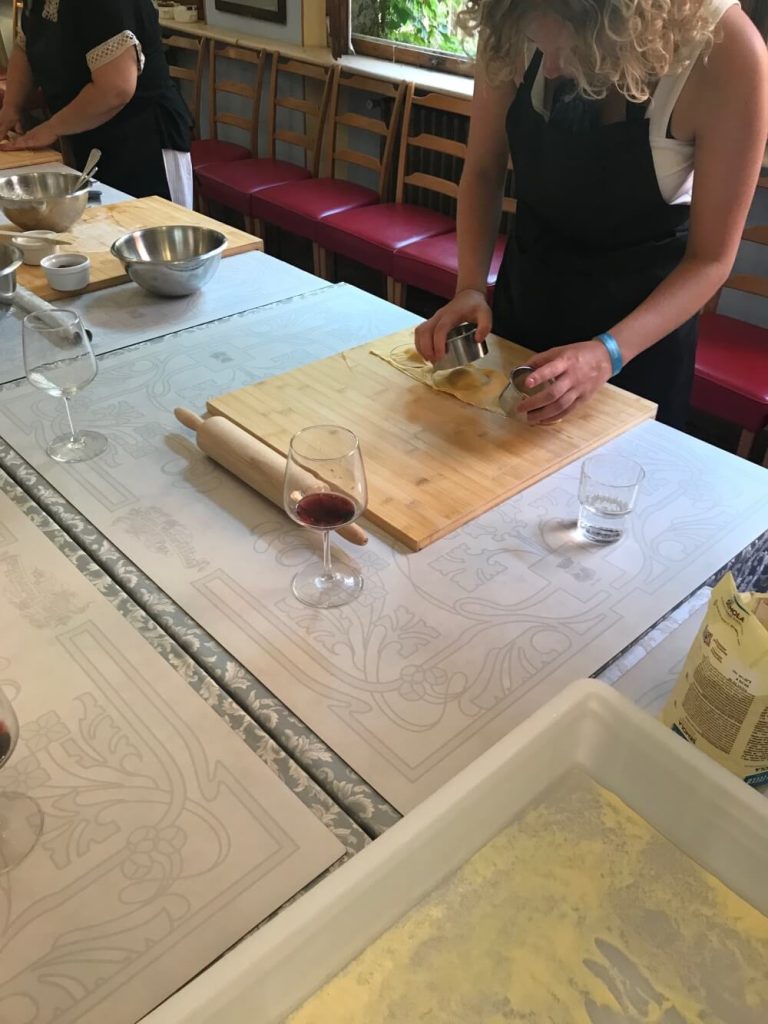
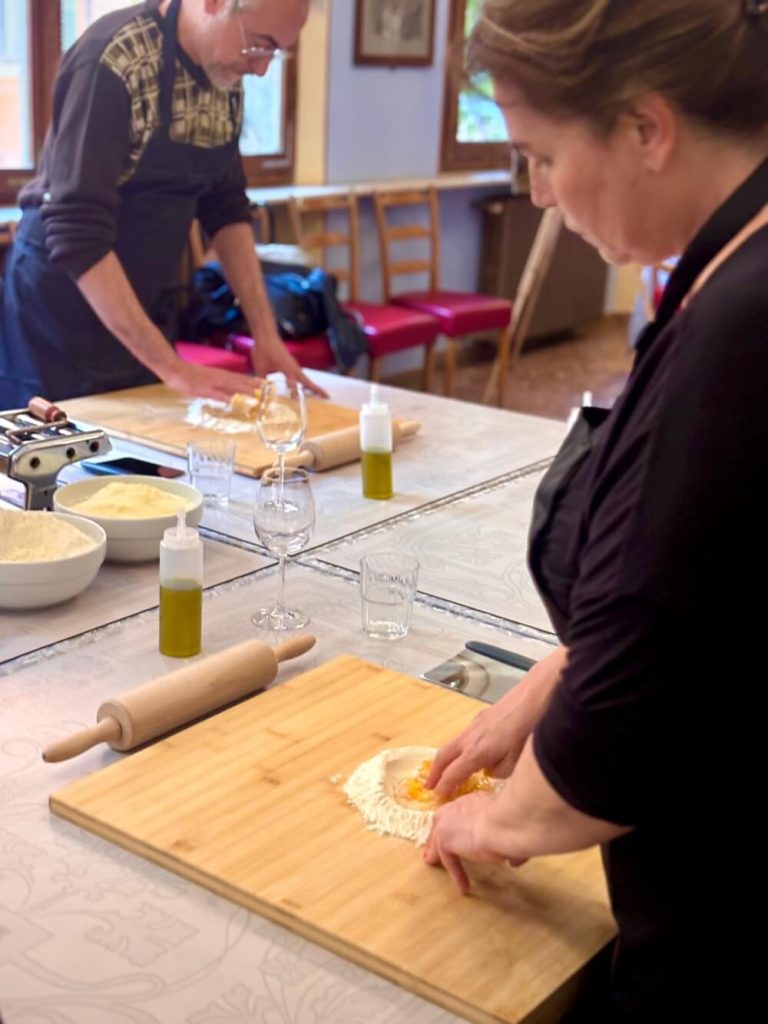
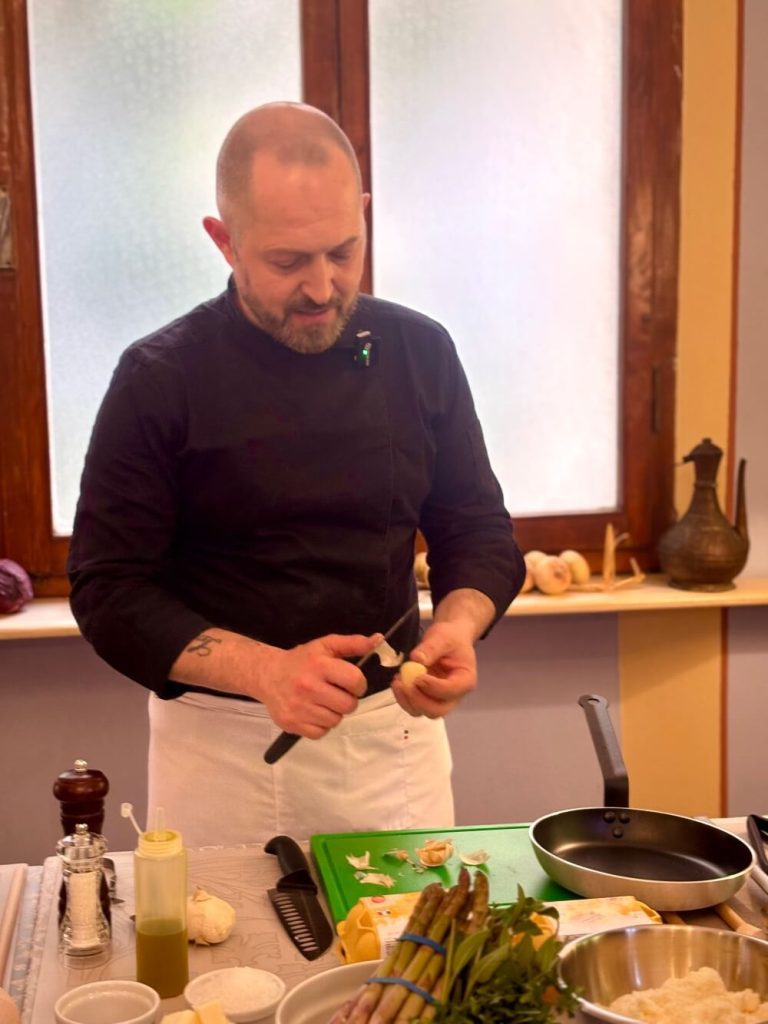
In an authentic Pisa cooking class, you don’t just observe. You participate. You knead the dough, shape fresh pasta, and understand how simple ingredients transform into traditional dishes.
Experiences like the hands-on pasta making class in Pisa allow guests to:
- Learn traditional techniques from a local chef
- Prepare fresh tagliatelle and tortellini from scratch
- Cook inside a historic venue overlooking the Arno River
- Enjoy the meal they have created with Tuscan wine
This kind of immersive culinary experience connects travellers directly to Tuscan heritage in a way that restaurants alone cannot.
Cooking in the Heart of Pisa: A Cultural Food Experience
Pisa is often associated with the Leaning Tower, but its culinary traditions are just as fascinating.
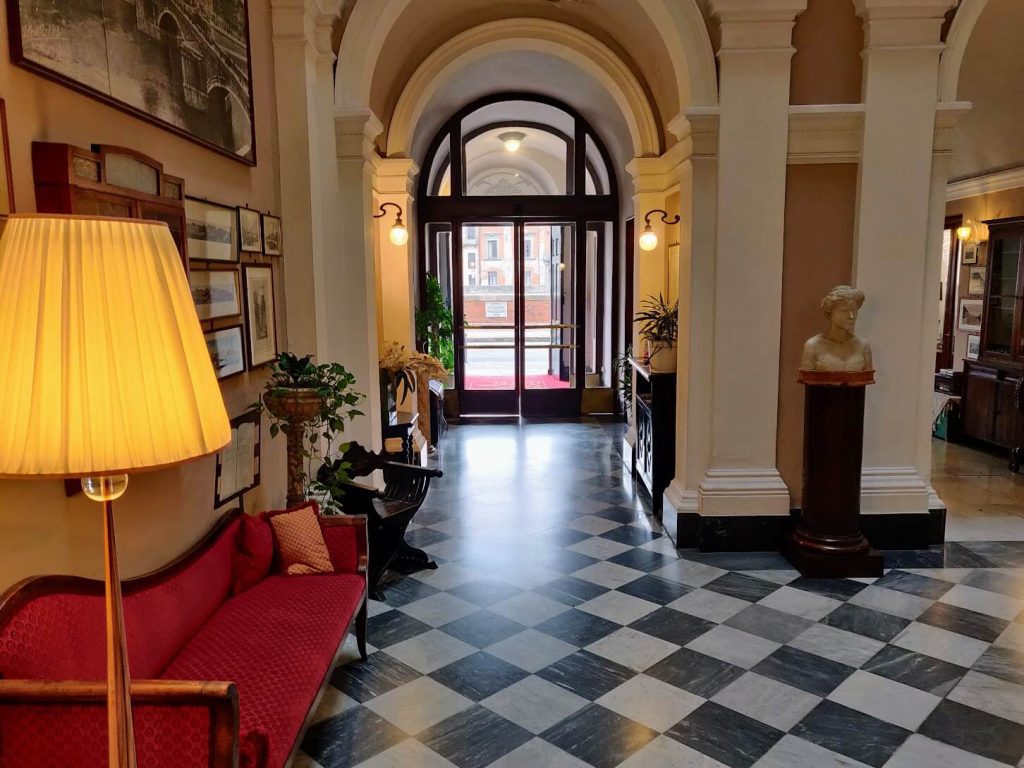
The class takes place inside the historic Royal Victoria Hotel, one of the oldest hotels in Pisa, overlooking the Arno River. The atmosphere is intimate and authentic, with centuries of stories quietly surrounding the kitchen. Cooking in such a setting adds depth to the experience, transforming it from a simple lesson into something rooted in the city’s living heritage.
Taking part in a cooking class in Pisa city centre offers something truly special:
- A historic setting inside one of the city’s oldest hotels
- A small-group, intimate atmosphere
- Direct interaction with local culinary experts
- A relaxed, authentic environment away from tourist crowds
Rather than just tasting Tuscany, you actively become part of its culinary story.
From Ingredients to Experience: What You Actually Learn
Unlike demonstration-style workshops, a true Tuscan cooking class focuses on hands-on learning.
You will typically:
- Mix and knead fresh pasta dough
- Shape traditional pasta varieties
- Understand ingredient selection
- Learn traditional cooking techniques
- Share a full homemade Tuscan meal
This process reflects the true rhythm of Tuscan kitchens: slow, intentional, and deeply social.
Why Experiential Food Travel Is Growing in Italy
Modern travellers are increasingly seeking:
- Authentic experiences
- Cultural immersion
- Small-group activities
- Hands-on learning
Cooking classes in Pisa perfectly match this shift. Instead of passive sightseeing, they offer emotional engagement, storytelling, and skill-building in one meaningful experience.
Conclusion: From Reading About Tuscan Food to Living It
Tuscan cuisine does not try to impress with complexity.
It stays with you because it feels real, honest, and deeply connected to place.
Understanding Tuscan food traditions means understanding:
- Seasonality
- Simplicity
- Respect for ingredients
- The joy of cooking and sharing meals
And the most meaningful way to experience that philosophy is not in a guidebook or a restaurant menu, but in a hands-on cooking class in Pisa, where tradition, flavor, and culture come together around one table.
Frequently Asked Questions About Cooking Classes in Pisa
Yes, especially if you want a deeper cultural experience beyond sightseeing. A cooking class in Pisa allows you to actively engage with Tuscan food traditions, learn authentic techniques, and understand the philosophy behind the cuisine rather than just tasting it in restaurants.
In a traditional Pisa cooking class, you typically prepare fresh pasta from scratch, such as tagliatelle or tortellini, alongside classic Tuscan sauces and seasonal ingredients.
Not at all. Most cooking classes in Pisa are designed for all skill levels, from beginners to experienced home cooks.
Most authentic cooking classes in Pisa last between 2.5 to 4 hours, including preparation, cooking, and enjoying the meal.
An authentic Tuscan cooking class in Pisa is typically fully hands-on. Guests actively prepare the dough, shape pasta, and cook dishes under the guidance of a local chef.
Tuscan cooking classes focus on simplicity, seasonality, and ingredient quality rather than complex recipes or heavy sauces.
Yes. Cooking classes in Pisa are ideal for solo travellers, couples, families, and small groups thanks to their intimate, small-group format.
Yes. One of the highlights of a Pisa cooking class is enjoying the meal you have prepared, often paired with local Tuscan wine.
Many high-quality cooking classes in Pisa take place in historic venues, traditional kitchens, or centrally located settings near the Arno River and the historic centre.
By preparing dishes yourself, you learn about ingredient selection, seasonality, and traditional techniques rooted in cucina povera.
Yes, especially during peak travel seasons, as small-group cooking classes often have limited availability.
They offer different experiences. A food tour focuses on tasting local specialties across multiple locations, while a cooking class provides a deeper, hands-on cultural immersion.